Automated and enhanced background checks for critical functions
The public healthcare sector performs life-critical functions and handles highly sensitive data, placing high demands on trustworthy employees and suppliers. With the NIS2 Directive and the CER Directive, requirements for risk management, personnel security, and documentation are tightening. Complex operations, multiple suppliers, and high staff turnover increase the risk of insider threats and misuse of access. Systematic and documented background checks are therefore essential for secure and compliant operations.
Compliance challenges in practice
Public organisations and healthcare institutions must ensure that large and dynamic groups of employees, consultants, and suppliers continuously meet regulatory requirements.
In practice, this is often resource‑intensive and complex. Manual or decentralised processes may result in:
- Delays in onboarding
- Inadequate or inconsistent documentation
- Increased risk of non‑compliance
- Time‑consuming audit preparation
- Limited visibility into access levels
These challenges are amplified in large organisations with many specialised functions, high staff turnover, and external partners.
Useful features for the healthcare system
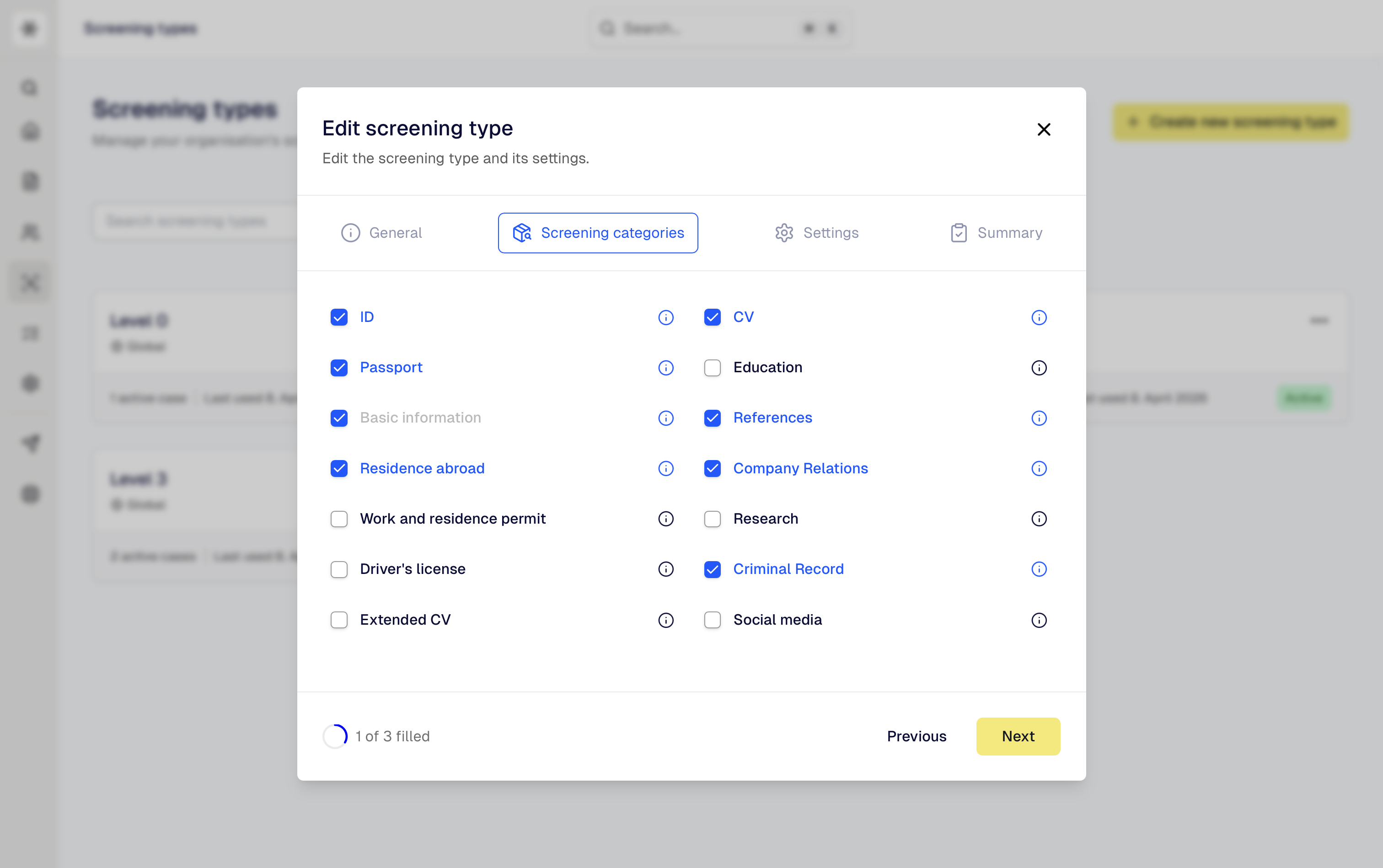
P‑Secure automates and standardises extended background checks and is designed to support, among others, the healthcare sector.
The solution supports, for example:
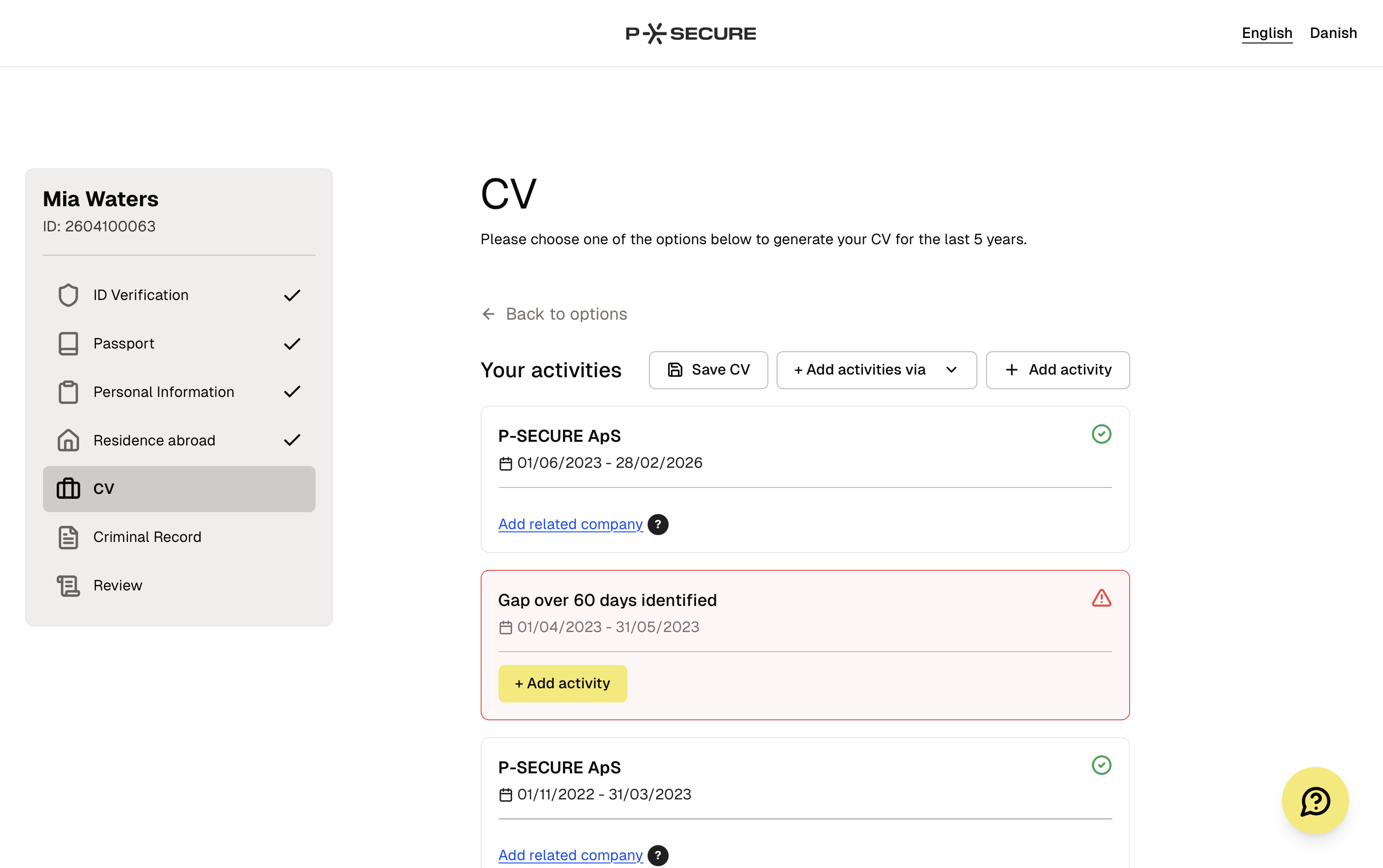
ID and CV check
ID verification and CV and history checks, including documentation of employment gaps
Criminal records checks
Automatic check of criminal record
Professional roles
References, conflicts of interest, and secondary employment
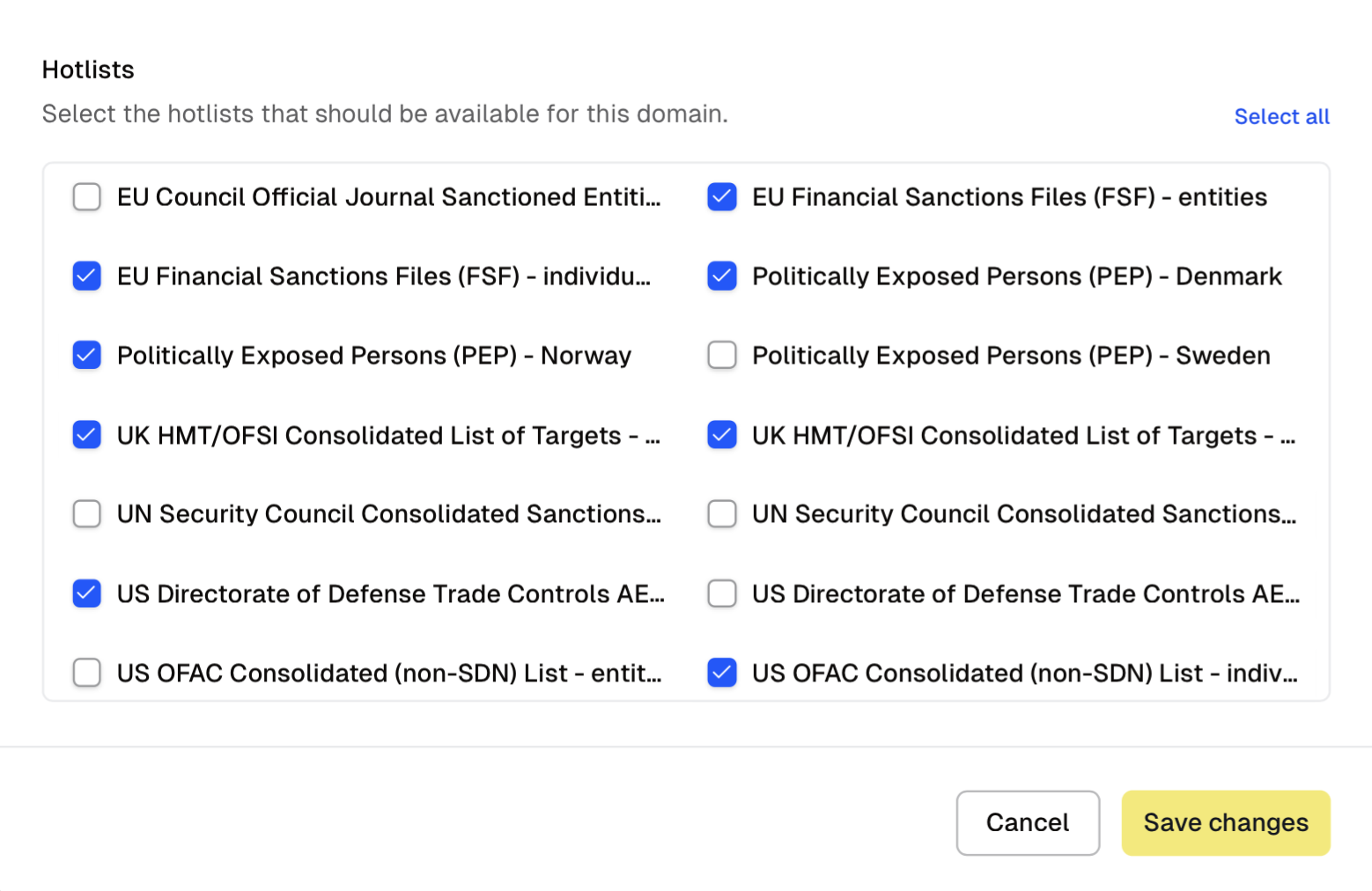
Watchlist and sanctions screening
Verification of valid professional authorisations
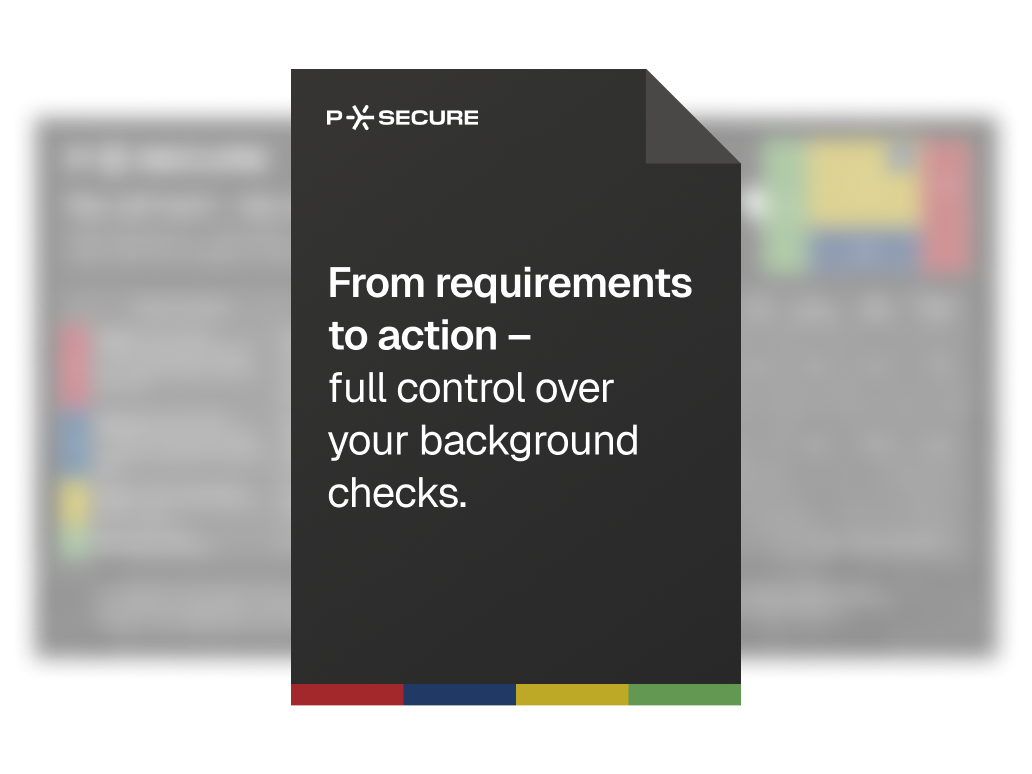
Recommended screening categories for background checks
In collaboration with stakeholders in the healthcare sector, P-Secure is working to establish a common standard for screening and background checks that can be applied across healthcare companies. Download our recommended screening categories for the healthcare sector.
Regulatory requirements and P‑Secure Recommendations
The healthcare sector is classified as critical infrastructure under Danish and EU law, resulting in heightened requirements for both cyber and personnel security.
There is no single piece of legislation that comprehensively regulates background checks in the healthcare sector; instead, the requirements arise from several overlapping regulatory frameworks, which together establish a clearly binding level of obligation.
Requirements pursuant to the CER Directive
- ID verification
- Criminal records information
Security Clearance
Where functions require a formal security clearance, P‑Secure recommends conducting background checks aligned with security clearance criteria during the period leading up to the final completion of the formal clearance process.
From 1 March 2026, public authorities may reuse existing valid security clearances when employees change jobs at the same or a lower classification level, and the expiry of a clearance may be suspended during renewal.
In addition, P‑Secure recommends grouping personnel according to security level for the purpose of background screening, aligned with practices in other sectors.
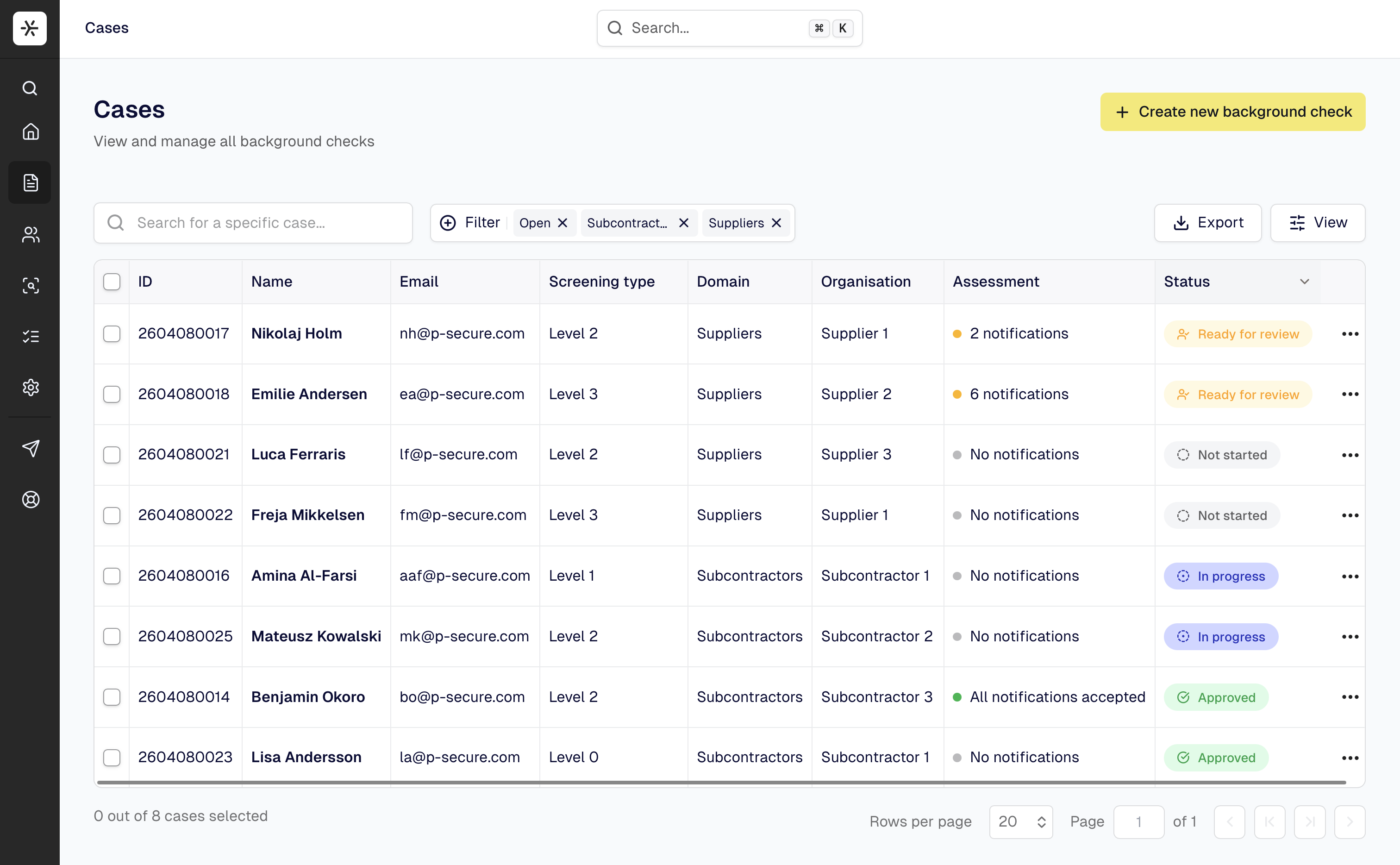
A background check may, for example, include the following categories:
- Personal data
- CV review – typically at least five years back, including documentation of gaps
- Education
- Residence and work permits
- Stays abroad exceeding six months (past five years)
- Business roles and positions of trust
- Photo ID (passport and/or driving licence)
This provides a consolidated, risk‑based decision foundation that can be adapted to permanent employees, new hires, temporary staff, and suppliers - particularly in roles with access to critical facilities, control systems, and data.
The need for modern background screening
Automated and compliance‑supporting background checks
In light of stricter regulatory requirements and increased focus on security, there are significant benefits to working in a structured and automated manner with background screening - especially in organisations with large numbers of employees, temporary staff, and suppliers.
A modern approach to background checks supports, among other things:
- Verification of education and employment history, reducing the risk of CV fraud and ensuring professional competence
- Collection of references and professional background, providing a stronger basis for hiring decisions
- Screening of external suppliers such as IT consultants, technicians, cleaning staff, and equipment suppliers, who often have access to sensitive areas and systems and should therefore be assessed on equal terms with internal staff
- Compliance with CER, NIS2, GDPR, and other requirements, where verification of all individuals with access to, for example, electronic patient records and health data is a prerequisite
- Identification of conflicts of interest and secondary employment, which is crucial to ensuring objectivity and independence - particularly among positions of trust such as doctors and decision‑makers
Continuous compliance
A sustainable compliance infrastructure for the healthcare system
Increasing requirements for documentation, traceability, and security mean that background checks can no longer be regarded as a one‑off activity. Compliance must be continuous and integrated into day‑to‑day operations.
Modern, automated solutions enable:
- Continuous and risk‑based compliance
- Centralised, audit‑ready documentation
- Faster and smoother onboarding without compromising security
- A consolidated overview of employees and supplier chains
For the public healthcare system, the challenge is to balance stringent regulatory requirements with efficient operations and high patient safety. With P‑Secure, organisations can strengthen personnel and supplier security, reduce administrative complexity, ensure consistent and traceable documentation, and support NIS2, CER, and GDPR through automated and continuous processes.
It is an investment in patient safety, regulatory assurance, and a more robust and future‑proof healthcare sector.



Secure your workspace today