
Automated enhanced background checks for telecommunications
The Danish telecommunications sector has been designated as critical infrastructure under the NIS2 Directive and is therefore subject to stricter security and preparedness requirements. Telecom networks form the backbone of society's digital communications and a compromised network can have far-reaching consequences for citizens, businesses, and national security interests. With Danish Executive Order no. 963 of 27 June 2025 on security clearances in the telecommunications sector, employees and suppliers with functions in critical telecom infrastructure are now required to uphold security clearance. A background check is a powerful and independent security tool in its own right regardless of whether a formal security clearance is required. For many roles in the telecom sector, a thorough background check will in itself be sufficient to document that you know your employees and suppliers. Where a security clearance is also required, a background check is a natural and sensible first step: processing times for security clearances are lengthy, and in the meantime telecom providers still need to know who they are granting access to their critical systems. The energy sector has already chosen to require background checks prior to security clearance (Executive Order no. 1075) - to reduce risk during the waiting period and enhance security while processing is ongoing. P-Secure recommends that the telecom sector follows the same approach. P-Secure makes it easy to manage the entire background check process digitally, from initial employment to ongoing re-checks, with full traceability and documentation in accordance with GDPR and applicable data protection regulations.




Challenges in telecommunications sector compliance
The telecom sector operates under strict and continuously evolving security requirements, with a direct responsibility for the resilience of national digital infrastructure.
Organisations must ensure that employees, contractors, and suppliers with access to critical functions undergo proper background checks, and that all documentation meets regulatory standards. In practice, this is often complex and resource-intensive.
Manual processes can lead to:
- Delays in onboarding
- Incomplete or inconsistent documentation
- Increased risk of non-compliance
- Time-consuming audit preparation
At the same time, regulatory expectations continue to evolve, requiring organisations to maintain accurate, traceable, and audit-ready records at all times.
Useful features for telecommunications
P-Secure automates the verification of identity, CV, criminal records, and references — ensuring precise, timely controls and reducing the risk of human error.
ID and CV check
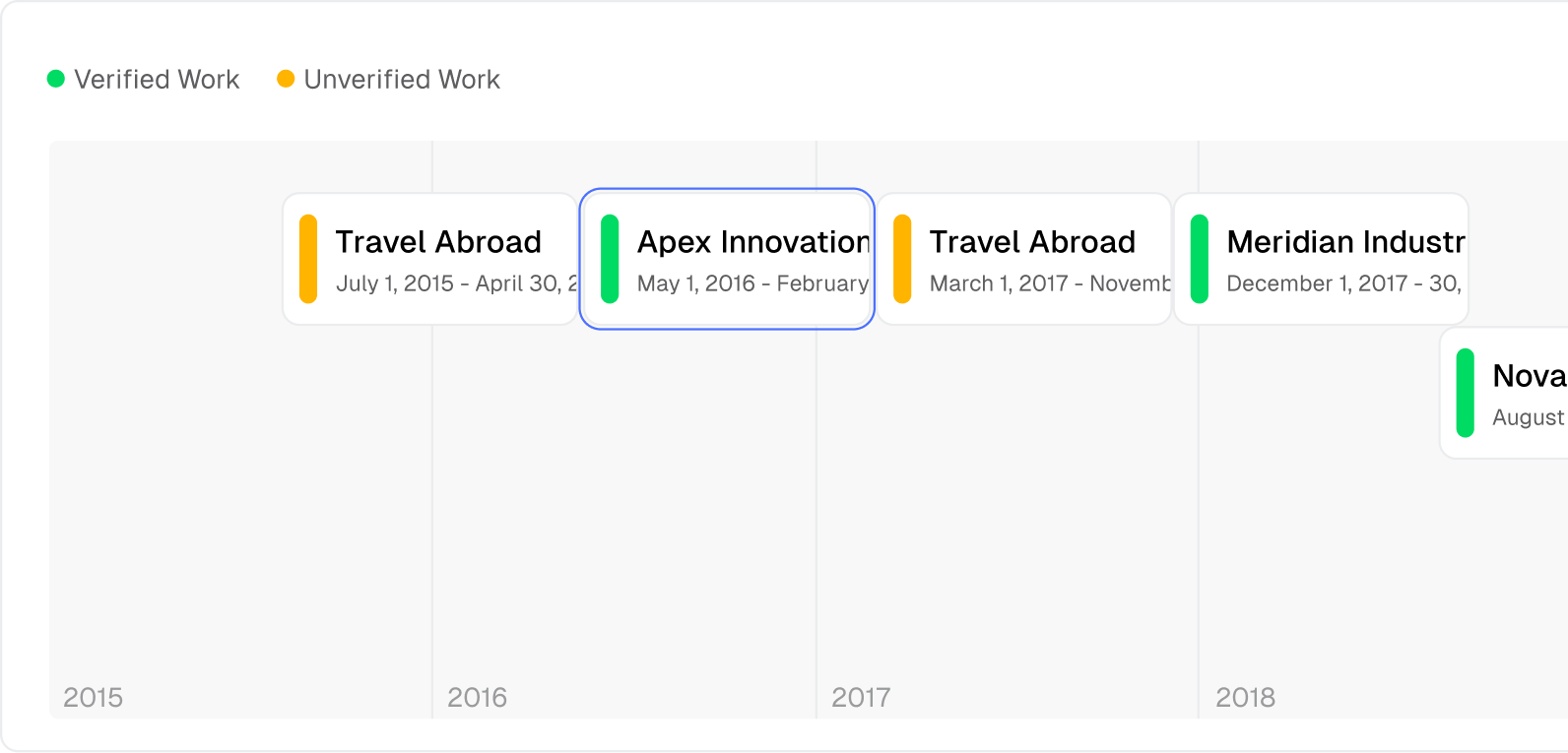
Automate ID verification and CV checks including documentation of employment gaps
Re-check
Easily schedule and complete the required periodic re-checks of employees and suppliers
Audit
Share specific cases for digital audit, e.g. with customers or authorities
Pre-clearance screening
Conduct structured background checks while a security clearance processing is ongoing — reducing risk during the waiting period
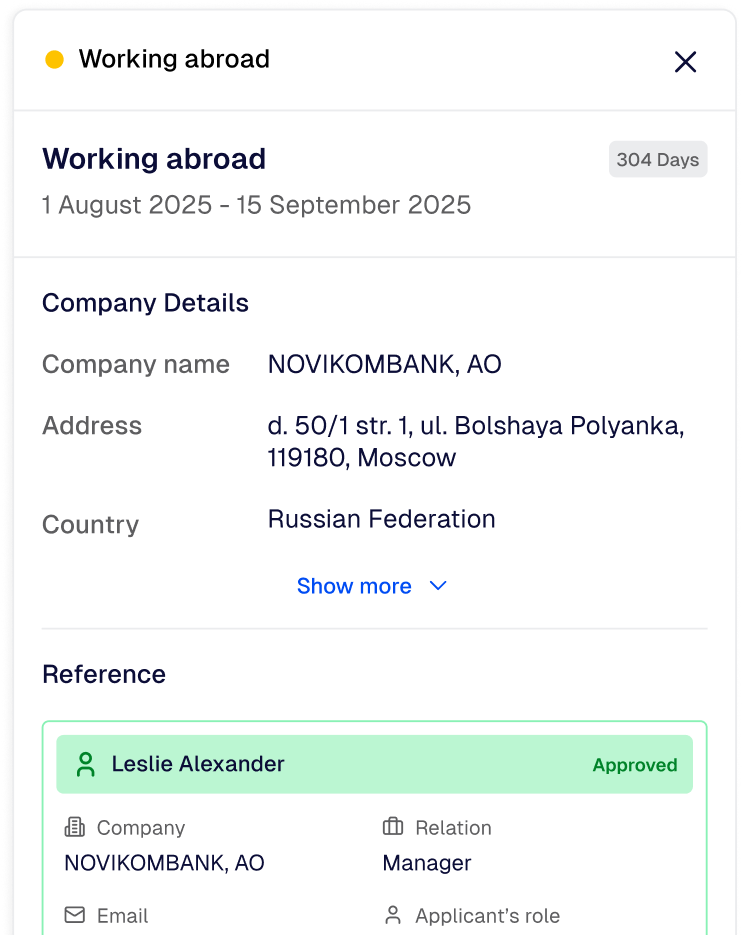
A shared screening standard: supporting the telecom sector's background check requirements ahead of security clearance
As in the telecom sector, P-Secure has established a common standard for screening and background checks that can be applied across telecom providers and subcontractors. The platform brings together all key elements in a single digital flow — adaptable to the needs of the sector and individual functions — including ID verification, CV validation, and criminal record checks. This allows organisations to document their internal processes to auditors without increasing the administrative burden.
The purpose of security clearances in the telecom sector is to reduce the risk of incidents affecting the confidentiality, integrity, authenticity, and availability of telecom networks and services. A thorough background check is the foundation on which the broader clearance process should rest.
Given the short timeframe before the new requirements are fully implemented, P-Secure recommends that telecom providers begin now to map which functions and individuals require background checks — and ensure that processes are in place before security clearances need to be obtained.
Regulatory framework
Danish Executive Order no. 963 (telecommunications sector)
The Danish Executive Order on security clearances in the telecommunications sector (no. 963 of 27 June 2025) requires employees and suppliers with functions in critical telecom infrastructure to uphold a security clearance.
NIS2
P-Secure supports compliance with the NIS2 Directive on the security of network and information systems, which places requirements on how telecom sector organisations manage personnel security and risk across their operations and supply chains.
Security infrastructure for the future of telecommunications
The opportunity
Today's telecom operators must balance strict compliance requirements with operational efficiency.
As regulations evolve and the threat landscape intensifies, organisations need automated and continuous background screening that reduces risk without slowing operations.
Strengthen critical infrastructure security
Implement automated, compliant enhanced background checks that:
Reduce onboarding time
Ensure consistent documentation
Cover employees, contractors, and subcontractors
Maintain continuous compliance
Move beyond one-time checks with:
Automated CV verification
Documentation of all employment gaps
Centralised, audit-ready records
Security and GDPR-compliance
Ensure alignment with Danish Executive Order no. 963, NIS2, and SAMSIK requirements at all times.